Hey everyone, thanks for swinging by my blog! I’m [just your friendly PVC printing film supplier, no fancy company name here, okay?] and today I wanna talk about a question I get ALL the time from contractors, interior designers, even small café owners hit me up with this: can PVC printing film actually work for ceiling decorations? Let’s cut the formal jargon right off the bat—no stuffy textbook talk here, just real, hands-on stuff I’ve seen over the years selling this stuff. PVC Printing Film
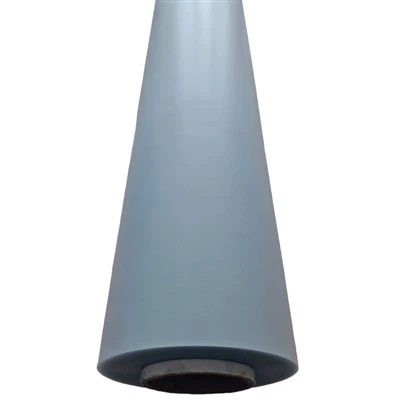
First, let’s start with the basics because a lot of folks don’t really know what PVC printing film is, or at least what we sell. It’s basically a flexible, thin (usually 0.1 to 0.5mm thick) polyvinyl chloride film that’s pre-coated so you can print high-res graphics, photos, or solid colors straight onto it. We’ve got matte, glossy, textured finishes, even ones with a slight sheen that doesn’t glare. A lot of people associate PVC film with things like window decals, vehicle wraps, or event banners—so ceilings feel like a totally different space, right? But here’s the thing: ceilings are just another flat surface, and PVC film sticks to flat surfaces like a dream, if you prep it right.
Wait, let’s not jump too fast—why would someone even wanna use this for ceilings instead of, say, drywall paint, wallpaper, or those drop ceiling tiles? Let’s list the perks I’ve heard from clients, because that’s what matters. First, design flexibility. If you’ve ever tried to print a custom mural on drywall, it’s a pain—you gotta prime, roll, paint, deal with seams if it’s big. PVC printing film? You can print any design you want: a sky with fluffy clouds for a kid’s playroom, a forest scene for a coffee shop, even a bold geometric pattern for an office. The resolution is sharp, way better than paint, and if you mess up a design revision, it’s way easier to reprint the film than fix a bad paint job.
Second, installation speed. I’ve had a residential client redo their basement ceiling in one weekend with our film—no waiting for paint to dry, no sanding down rough spots (as long as the ceiling is clean and flat). Ceiling installation is stick-and-peel, basically, just like a big sticker. For commercial spaces? A restaurant I work with did their entire dining area ceiling over a holiday weekend, so they didn’t lose any business. Compare that to drop ceiling tiles, which you have to handle one by one, or wallpaper that needs pasting and waits for the adhesive to set. That’s a huge win for tight timelines, which most projects have these days.
Third, durability. A lot of people worry PVC is flimsy or will peel, but the printing film we sell is rated for indoor use (obviously, don’t put this outside) and can handle moderate moisture—so bathrooms, basements, even kitchens are fine. It’s also scratch-resistant, not that you’re gonna run into a ceiling a lot, but if you have big air ducts or light fixtures, that little bump won’t leave a mark. And if you ever wanna change the look down the line? Peel it off clean, no sticky residue left on the ceiling (as long as you use the right adhesive, which we can hook you up with tips on), and re-do it with a new design. Way more versatile than paint, which you’re stuck with for years.
Okay, but let’s be real—no product is perfect, so I gotta call out the downsides, because I don’t wanna sell something that’s not a fit for everyone. First, thickness matters. If you use the super thin 0.1mm film, it might stretch a little if the ceiling has tiny cracks or bumps, so you wanna go with at least 0.3mm for ceilings. That’s a quick tip I pass to every client. Second, heat—PVC does soften a tiny bit at high temps, so if your ceiling has exposed heat vents that blow really hot air, or it’s a commercial kitchen with high temps, you might wanna test a small piece first. Most of the time it’s not a problem, but better safe than sorry. Third, it’s not for every ceiling type. If your ceiling is really textured—like popcorn texture that’s super uneven—you’re gonna have trouble getting the film to stick smooth, and the texture will show through. It works best on smooth drywall, plaster, or even existing drop ceiling panels if you prep them right.
Wait, let’s talk about some real examples to make this not just theory. Last year, a school in the suburbs here did their gym ceiling. They wanted a giant mural of constellations to make the space feel less boring, and they used our matte PVC printing film. The installers just cut the film to fit the ceiling seams, used a low-tack adhesive that’s made for ceilings, and it went up in two days. Kids go crazy for it, and the teachers say it’s way easier to clean than paint when they mark it up with chalk. Another client: a small boutique hotel in the city, they did their lobby ceiling with a glossy film printed with a subtle gold leaf pattern. It adds a little luxury without being over the top, and guests always comment on it. Those are projects that work way better than traditional materials, right?
Now, let’s clear up a common myth: some people think PVC is bad for indoor air quality, but the film we sell is low-VOC, meaning it doesn’t release a bunch of fumes. It’s been tested to meet indoor air quality standards, so it’s safe for homes, schools, hospitals, wherever. I know there’s a lot of talk about building materials these days, so I make sure all my clients know that—no hidden chemicals, no weird smells once it’s installed.
Wait, what about maintenance? A lot of people worry about cleaning a ceiling covered in film. It’s super easy—just a soft cloth and some mild soap. No harsh chemicals, because that can damage the print. If you get a little dust or dirt on it, wipe it gently, no scrubbing. Way easier than textured ceiling paint that you can’t wipe without smearing the color.
Now, let’s wrap this up with when you should (and shouldn’t) use PVC printing film for ceilings. Go for it if: you want a custom design, you need fast installation, you want durability and easy replacement, your ceiling is smooth, and indoor air quality is a concern. Don’t go for it if: your ceiling is super textured, you have extremely high heat vents (like in a commercial oven kitchen), or you’re looking for a temporary, cheap fix that you’ll rip out in a month—though even then, the film is pretty easy to remove.
I’ve been in this PVC printing film game for 7 years now, and I’ve seen ceilings go from boring white to focal points all the time. It’s not just for walls or signs—ceilings are a totally underutilized space for design, and this film makes it way more accessible than old methods.
If you’re a contractor, interior designer, or just someone remodeling a space and wanna test it out, reach out to me. I can send you free sample swatches, give you tips on prep and installation, and work with you on custom designs. No pushy sales stuff, just real advice because I know how tricky ceiling projects can be.
So yeah, can PVC printing film be used for ceiling decorations? Absolutely—you just have to pick the right type, prep your surface, and go in with realistic expectations. It’s not a one-size-fits-all, but for most indoor ceilings, it’s a solid, flexible option that lets you get creative without the hassle.
PVC Film References:
- Industrial PVC Film Association. (2022). Indoor Application Guidelines for PVC Printing Films.
- Interior Design Magazine. (2021). Innovative Materials for Ceiling Decor.
- National Home Improvement Council. (2023). Low-VOC Building Materials for Residential Spaces.
Nantong Dahe Composite New Material Technology Co., Ltd.
We’re well-known as one of the leading PVC printing film manufacturers and suppliers in China, specialized in providing high quality customized products to global clients. Please feel free to wholesale cheap PVC printing film in stock here from our factory. Contact us for quotation and free sample.
Address: South Side of Pinghai Highway, Pinghe Village, Dongshe Town, Tongzhou District, Nantong City, Jiangsu Province, China
E-mail: nantongdahe@outlook.com
WebSite: https://www.cndahetech.com/
