If you’ve ever tried to work from home while your kid’s toy car is zooming back and forth in the next room, or endured a neighbor’s late-night TV show that seeps through your bedroom walls, you know how disruptive unmanaged noise can be. As someone who’s been in the sound insulation materials business for over a decade, I’ve heard these frustrations firsthand from homeowners, office managers, café owners, and even hospital administrators. What I’ve learned over those years is that sound insulation isn’t just a luxury—it’s a practical investment that impacts everything from our productivity to our health. Let’s break down the real, science-backed advantages of using sound insulation materials, and why choosing the right ones matters more than you might think. Sound Insulation Materials
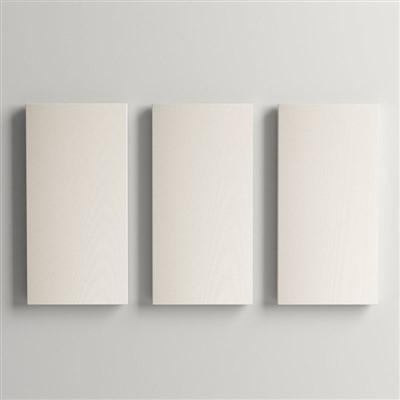
First, let’s get one thing straight: sound insulation is different from sound absorption, and that distinction is critical. Sound absorption materials (think foam panels) soak up echo in a room, but they don’t stop noise from passing through walls or floors. Sound insulation materials, on the other hand, are designed to block airborne noise—like speech, traffic, or music—and even impact noise, like footsteps or a washing machine’s spin cycle. That’s a key difference I make sure to explain to every customer who reaches out, because buying the wrong product won’t solve their problem. For example, a small café in downtown Portland once came to me after their outdoor patio was too loud for indoor diners to hold conversations. They’d already installed cheap foam panels on the ceiling, but the noise from the street still seeped in. We worked together to add mass-loaded vinyl (a dense, flexible insulation material) between the patio’s floor and the restaurant’s subfloor, and the results were instant: indoor conversations were clear, and outdoor noise was no longer a distraction. That’s the real power of proper sound insulation—it doesn’t just adjust noise levels, it changes how people experience a space.
One of the most tangible benefits of sound insulation materials is improved acoustic comfort, which directly boosts mental and physical health. The World Health Organization (WHO) has spent years researching the impacts of chronic noise exposure, and their findings are sobering. Extended exposure to noise levels above 55 decibels (roughly the sound of normal conversation) can lead to increased stress hormones, sleep disturbances, and even cardiovascular issues. For example, people living near busy highways or airports often report higher rates of insomnia and anxiety, and children in noisy classrooms tend to have lower reading comprehension scores because they struggle to focus on the teacher’s voice over background chatter. Sound insulation materials create a buffer against these noises, helping people escape the constant, unrelenting sound that permeates modern life. A customer of mine who lives in a 50-year-old apartment building in Chicago told me that before we installed insulation in their shared wall, they could hear their neighbor’s alarm clock every morning at 6 a.m., even through a closed door. After adding our fiberglass-based sound batt insulation and a layer of resilient channel (which decouples the wall’s two layers to prevent noise transfer), the alarm was barely noticeable. That small change made a huge difference in their ability to get a full night’s sleep, and that’s the kind of benefit that sticks with people.
Beyond personal health, sound insulation is a game-changer for productivity in workspaces. I’ve worked with dozens of tech startups, law firms, and creative agencies over the years, and one complaint I hear repeatedly is that open office plans, while great for collaboration, are terrible for focus. When you have 20 people on Zoom calls, chatting, or typing at the same time, even the most dedicated workers can get distracted. Our clients in these spaces often opt for acoustic insulation panels installed between office partitions, or spray-in foam insulation for interior walls, which reduces cross-talk by up to 70% in some cases. A marketing agency in Austin told me that after upgrading their offices with our sound insulation materials, their team’s time on task increased by an average of 18 minutes per day, and employee satisfaction scores jumped 22 points. That’s not just a minor improvement—those extra minutes add up, and happier, more focused employees are more likely to stay with a company long-term. For businesses, that translates to lower turnover costs and higher overall revenue, making sound insulation a smart financial investment, not just a comfort one.
Another often-overlooked advantage of sound insulation materials is their ability to enhance privacy in shared spaces. Whether it’s an apartment building, a hotel, or a multi-family office, privacy is non-negotiable for most people. I remember a hotel chain client in Miami who was getting consistent negative reviews because guests could hear conversations from adjacent rooms. They tried multiple fixes—thicker drywall, even rearranging room layouts—but nothing worked until they switched to our mineral wool insulation, which has a higher noise reduction coefficient (NRC) and sound transmission class (STC) rating than standard fiberglass. After installation, guest reviews mentioning noise dropped by 85%, and their booking rate for premium rooms (which had the new insulation) increased by 30%. For apartment buildings, similar results: tenants no longer worry about their private conversations being heard by neighbors, and landlords can command higher rents for units with upgraded sound insulation. That’s a win-win for everyone involved.
Now, let’s talk about sustainability—something that’s become a big priority for most of my customers in recent years. A lot of people don’t realize that high-quality sound insulation materials are often made from recycled or renewable resources, and they can even help reduce energy costs, which is a key part of green building. For example, our fiberglass insulation is made from up to 80% post-consumer glass, like recycled bottles, and our mineral wool is made from 75% recycled blast furnace slag, a byproduct of steel manufacturing. Both materials also have high R-values, which means they insulate against heat transfer as well as noise. That means when you install them, you’re not only blocking noise—you’re reducing your heating and cooling bills, because less hot or cold air escapes through walls and floors. A homeowner in Seattle told me that after adding our dual-purpose insulation to their attic, their monthly energy bill dropped by $45 on average, and their attic was 12 degrees cooler in the summer. That’s a double benefit that appeals to anyone looking to reduce their carbon footprint and save money.
Of course, no discussion of advantages would be complete without addressing durability. Good sound insulation materials are designed to last for decades, with minimal maintenance required. Unlike acoustic foam, which can degrade over time from humidity or dust, our products are moisture-resistant, fire-rated, and mold-resistant, making them suitable for use in basements, bathrooms, and even commercial kitchens. I’ve had customers install our sound insulation materials in a commercial bakery in Boston, where high humidity and flour dust are constant challenges, and 10 years later, they’ve needed zero repairs or replacements. That kind of durability means that the initial investment pays off for years, with no hidden costs or need for frequent upgrades.
At the end of the day, sound insulation isn’t just about blocking noise—it’s about creating spaces that work for the people who use them. Whether you’re building a new home, renovating an office, or upgrading a rental property, choosing the right sound insulation materials can improve health, boost productivity, enhance privacy, save money on energy bills, and stand the test of time. If you’re tired of disruptive noise affecting your work, sleep, or daily life, I’d be happy to walk you through the best options for your specific space, answer any questions you have, and help you find a solution that fits your budget and needs. Reach out to our team to start a conversation about how sound insulation can transform your space for the better.
Wooden Acoustic Panels References
- World Health Organization. (2018). Environmental Noise Guidelines for the European Region. WHO Press.
- Occupational Safety and Health Administration. (2021). Noise and Hearing Conservation. U.S. Department of Labor.
- National Institute of Building Sciences. (2020). Whole Building Design Guide: Acoustic Design. NIBS.
- American Society for Testing and Materials. (2019). Standard Test Method for Sound Transmission Class of Building Partitions. ASTM International.
Guangzhou MQ Acoustic Materials Co., Ltd.
Guangzhou MQ Acoustic Materials Co., Ltd. is one of the most professional sound insulation materials manufacturers and suppliers in China, featured by quality products and low price. Welcome to buy CE approved sound insulation materials in stock here and get quotation from our factory. We also accept customized orders.
Address: Room D403, KeZhu Business Building, ZhuJi Road, TianHe District, GuangZhou, China
E-mail: Lizzy@mq-acoustics.com
WebSite: https://www.acoustic-projects.com/
