Let’s keep it real for a second—if you’re in furniture manufacturing, you’ve probably spent way too much time hauling heavy, bulky drums around your plant. Whether they’re 55-gallon drums of veneer glue, stain, paint, or even raw materials like resin or wood fillers, moving those things manually is a recipe for sore backs, slow workflows, and maybe even a few accidental spills that shut down lines. That’s where drum dollies come in, right? But wait—can a drum dolly actually work in a furniture manufacturing plant, or is it just another overhyped warehouse tool that doesn’t fit your shop’s unique chaos? As a drum dolly supplier who’s talked to dozens of furniture plant managers, I’m here to break this down like it is—no corporate jargon, just what actually works for your space. Drum Dolly
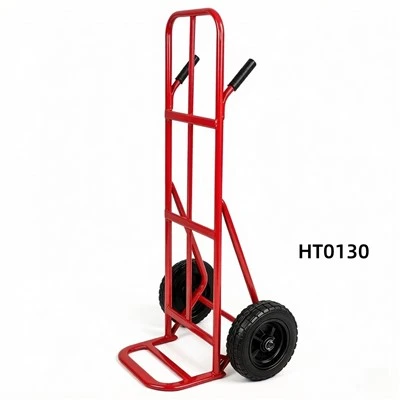
First, let’s get the basics straight: a drum dolly is a wheeled platform (usually with a heavy-duty frame and rubberized cradle) that lets you lift, roll, and move a full drum without ever having to heave it off the ground. The big question for furniture shops is: do these dolly stacks up to what your plant needs? Let’s start with the stuff that makes furniture manufacturing different from, say, a grocery distribution center. You’re not moving drums across a concrete warehouse floor that’s been swept clean every hour. You’ve got narrow aisles between woodworking machines, winding paths to the finishing line, maybe rough spots from dropped sawdust or small scraps of wood, and sometimes even uneven flooring from old equipment that’s been bolted down for years.
A lot of cheap drum dollies you see online flop here. Their thin wheels get stuck on wood shavings or catch on small floor bumps, and their flimsy frames can’t handle the weight of a full 55-gallon drum (which is 450+ pounds when full, by the way) being pushed around for hours a day. But the good, heavy-duty drum dollies? They’re built for that exact shop floor chaos. I’ve got a customer in a mid-sized furniture plant in North Carolina that uses our steel-frame drum dollies with 6-inch treaded rubber wheels instead of plastic ones. They run those wheels over sawdust, wood scraps, and even the occasional drop of wet stain, and they haven’t had a wheel get stuck or break in 18 months. That’s not luck—that’s building the dolly for your floor, not a showroom.
Now, let’s talk about the stuff specific to furniture manufacturing that makes drum dollies way more useful than people think. First, raw material handling. Most furniture plants go through hundreds of drums a month: adhesive for laminates, sealers for wood, even hydraulics for the CNC machines. If you’ve got to move a drum from the storage area to the glue mixing station, a drum dolly cuts that time from 10 minutes of pushing and adjusting to 2 minutes of roll, stop, and lock. I heard from another shop manager last month who said before they used dollies, his team was making three times as many trips with hand trucks that couldn’t balance the drum, so they’d have to pause work to reposition it. Now? They can move a full drum from the back storage to the line without stopping production. That’s the kind of small win that adds up to 5 extra production hours a week, easy.
Then there’s finishing. If you do any custom finishing at your plant, you know drums of paint, stain, or topcoat don’t just sit in one spot. You might need to move a 5-gallon bucket drum (wait, we make dollies for those too—important, because not all furniture shops use 55-gallon drums) from the mixing booth to the spraying line, or from the supply closet to a touch-up station. The problem here is that finish drums can be slippery if there’s a spill, so a dolly with a non-slip cradle is non-negotiable. Our dollies have a rubberized pad that grips the bottom of the drum, so even if a little stain drips on it, the drum doesn’t slide off when you’re turning a corner. One customer told me they used to have two close calls a month where a stain drum almost fell off a hand truck—now? Zero, because the dolly keeps it secured.
Wait, but let’s address the elephant in the room: “Our plant is too small, or our aisles are too narrow for a dolly.” I get that. A lot of small furniture shops have aisles that are only 3 feet wide, which makes people think a standard drum dolly (which is about 28 inches wide) won’t fit. But here’s the thing: we make narrow-profile drum dollies that are just 24 inches wide—perfect for those tight aisles. I sold a set of these to a shop in Chicago that’s only 12,000 square feet, and they said the narrow dollies fit between their table saws and the edge of the finishing line without blocking foot traffic. They also fold up when not in use, so they don’t take up space in a crowded supply closet. That’s a game-changer for small plants that don’t have extra room to store tools.
Now, let’s talk about safety, because furniture manufacturing has enough safety risks without adding more. Manual lifting of heavy drums is the top cause of back injuries in material handling, according to OSHA. I’ve worked with a few plant managers who had to pay worker’s comp claims because an employee pulled a muscle moving a 500-pound drum of glue. Using a drum dolly eliminates that risk entirely—you never have to lift the drum more than an inch off the ground, so no straining your back, no twisting awkwardly. Plus, the dollies have locking brakes, so if you need to leave a drum unattended for a minute (say, to grab a stir stick for stain), it won’t roll away and hit a stack of wood or a machine. That’s way better than just leaving a drum on the floor, which is a tripping hazard.
But wait—let’s be honest, drum dollies aren’t for every furniture plant. If your plant only uses tiny containers (like 1-gallon paint cans) instead of drums, you probably don’t need them. If you’re a small custom shop that only gets a dozen drums a month and has one employee who can lift heavy stuff, you might not see the ROI right away. But if you’re a shop with 10+ employees moving drums daily, or you’re dealing with full 55-gallon drums regularly, a drum dolly pays for itself in 6 months or less. Let’s do the quick math: if you save 5 minutes a drum, that’s 25 minutes a day for 10 drums, which adds up to over 2 hours a week—time you can use to make more furniture, not move drums. And the safety savings from avoiding injuries? That’s a huge bonus that numbers don’t always capture.
I’ve had people tell me, “We use forklifts for drums, so why would we need dollies?” Fair point—forklifts are great for moving large loads around a big warehouse, but they’re slow. You can’t maneuver a forklift between a CNC machine and a sanding station, and you can’t use a forklift to grab a drum quickly when the line runs out of glue. A drum dolly is a quick, flexible tool for those in-between tasks that forklifts aren’t made for. It’s like comparing a pickup truck to a semi—both work, but one’s way better for running errands around your shop.
Another thing I’ve learned from talking to furniture plant folks: durability matters more than anything. You don’t want a dolly that’s going to break after 6 months of being bumped by a wood cart or rolled over nail clippings. The drum dollies I supply are made with 10-gauge steel frames, which can handle up to 1,000 pounds (way more than any drum you’ll use in furniture manufacturing), and the wheels are reinforced steel with a tread that grips even on smooth floors. We also offer a 2-year warranty, because I know that in a shop that runs 24/7, tools need to hold up.
Let me wrap this up without making it sound like a sales pitch (even though, yeah, I’m a drum dolly supplier). The short answer is: yes, a drum dolly can absolutely work in a furniture manufacturing plant—if you get the right kind for your shop. You don’t need a fancy, overpriced warehouse model. You need one that fits your narrow aisles, can handle wood shop chaos, and keeps your team safe while moving drums. If you’re tired of sore backs, slow workflows, and near-misses with heavy drums, a drum dolly is worth a test. I’ve helped dozens of furniture plant managers find the right ones for their space, and most of them now say they can’t imagine going back to moving drums manually.

If you’re ready to stop dealing with the headache of drum handling in your furniture plant, reach out to me to talk through what you need—whether it’s narrow-profile dollies for tight aisles, heavy-duty ones for full glue drums, or even ones that work for 5-gallon bucket drums. I’ll walk you through options, no pressure, just honest advice that’s actually built for your shop. No confusing specs, no jargon, just what will make your job easier.
Hand Trucks Reference
OSHA. (2022). Material Handling Guidelines for Manufacturing Facilities. Occupational Safety and Health Administration.
National Wood Flooring Association. (2021). Material Handling Best Practices for Wood Product Manufacturing. NWFA.
Material Handling Industry Association. (2020). Heavy-Duty Dolly Performance Standards for Industrial Shops. MHIA.
Qingdao Herzhe Tools Manufacturing Co., Ltd.
Qingdao Herzhe Tools Manufacturing Co., Ltd. is one of the most professional drum dolly manufacturers and suppliers in China. We have world-leading production equipment and strong manufacturing capabilities. Please feel free to buy advanced drum dolly at competitive price from our factory.
Address: No. 406 Shuangfushan Road, Baoshan Town, Qingdao CHINA
E-mail: herzhetool@163.com
WebSite: https://www.herzhetoolsmfg.com/
