Hey there, it’s Jake from Other Labels here. Let me cut to the chase for a sec—if you’ve ever stared at a product tag or packaging label and thought, “This thing’s gonna end up in a landfill in 6 months… is there a better option?” I’ve been where you are. For years, I’ve supplied labels to all kinds of brands—coffee roasters, skincare lines, pet food brands, even a few small craft breweries—and the number one question I get now isn’t “Can you make this label fast?” It’s “Are other labels more sustainable than this one?” (Yeah, I know, that’s basically the title of this post. It’s the only question that keeps me up at night, so let’s unpack it.) Other Labels
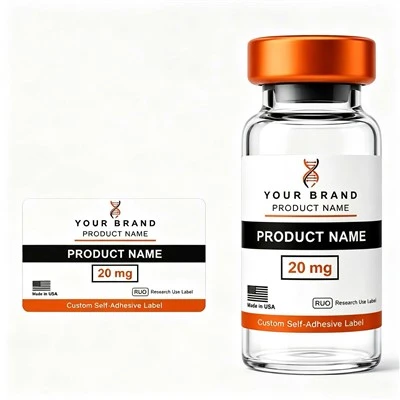
First, let’s get one thing straight: sustainability in labels isn’t a checkbox. It’s not just slapping “recyclable” on a tag and calling it a day. I’ve seen brands get burned by that garbage—they think switching to a paper label is enough, only to find out that paper label has a plastic adhesive that ruins the whole recycling batch. Or it’s coated with some weird chemical that makes it non-compostable, even if it’s “paper.” I hear that frustration all the time, so let’s talk about what actually makes a label sustainable, not just what marketing teams say is.
Let’s start with the most common label people ask about: the standard plastic (BOPP, PET, whatever) label that’s on soda bottles, cleaning products, most of the stuff that ends up in the grocery store. For a long time, these were the go-to because they’re cheap, durable, and stick really well. But we all know plastic doesn’t biodegrade—it just breaks down into microplastics that get into oceans, soil, even our food. That’s the problem everyone’s pointing at, right? So is there a better alternative? For some products, yes—but it’s not one-size-fits-all.
Wait, let’s talk about paper labels next, since that’s the most obvious switch. A lot of brands jump to paper because it feels “natural.” But here’s the catch: not all paper is made equal. Most paper labels are made from virgin wood pulp, which means cutting down trees that could be used for more essential things (like… you know, lumber for houses? Or paper for textbooks?). Even worse, if that paper has a plastic coating to make it water-resistant (super common for things like juice bottles or laundry detergent), it can’t be recycled with regular paper—and if you try to recycle the whole bottle, that plastic label contaminates the paper stream. I had a client a few months back who switched to “eco paper labels” only to get a note from their recycling provider saying 15% of their batches were rejected because of the adhesive coating. They lost thousands in product and had to re-label everything. Ouch.
So what’s the alternative that actually works? Let’s get into the stuff that I’ve tested with my own team over the last 5 years, the stuff that doesn’t just sound good on a website. There’s recycled plastic labels, first—made from post-consumer recycled (PCR) plastic, like bottles that people tossed in the recycling bin. Now, these aren’t perfect, but they’re way better than virgin plastic. They’re still durable, stick as well as regular plastic labels, and they keep plastic out of landfills. The thing is, you have to make sure they’re made with 100% PCR, not just 10% like some brands do. I’ve seen “PCR plastic” labels that only have a tiny bit, and that’s greenwashing. I only work with suppliers that give me certificates for their PCR content, no exceptions.
Then there are compostable labels. These are usually made from things like plant-based materials—cotton, bamboo, corn starch (PLA, if you want the technical term, but I hate saying PLA because it sounds like a lab acronym). The key here is that they have to be commercially compostable, not just “home compostable.” Wait, why? Because a lot of people buy home compostable labels, toss them in their backyard bin, and they don’t break down for years because backyard compost doesn’t get hot enough. Commercial compost facilities have the heat and moisture to break these down in 90 days or less, and they turn into nutrient-rich compost, not microplastics. The catch with compostable labels? They don’t stick as well to cold, slippery surfaces, like soda bottles or cold drink containers. So if you’re labeling a iced coffee bottle that sweats all day, a compostable label might peel off. That’s a big problem for brands that don’t want to deal with returns or bad reviews.
Oh, and there’s adhesive-free labels—wait, that’s a whole other category. I worked with a craft brewery last year that wanted labels that would fall off when the bottle was recycled, so they didn’t have to worry about contamination. Adhesive-free labels are basically labels that use static electricity to stick to smooth surfaces, like glass. They peel right off when you rinse the bottle, no adhesive left behind. That’s huge for glass recycling, which is already super resource-intensive—you don’t want a bunch of leftover gunk ruining the batch. The only downside is they don’t stick to curved plastic bottles as well, so they’re mostly for glass products.
Wait, let’s get back to the original question: are other labels more sustainable than this one? Let’s answer that with real numbers, not marketing fluff. I did a deep dive with a sustainability non-profit last year, comparing the lifecycle of three common labels: virgin plastic, standard paper, and PCR plastic. Virgin plastic labels have a carbon footprint of about 2.5 kg of CO2 per 1000 labels. Standard paper labels (virgin pulp, plastic adhesive) clock in at 1.8 kg CO2, which is lower, but only if they’re actually recycled—most paper labels aren’t, because of that adhesive. PCR plastic labels? They’re at 1.2 kg CO2 per 1000 labels. That’s 52% less than virgin plastic, and way more likely to be recycled because they work in the same recycling streams as virgin plastic, no contamination.
Wait, but what about water use? Paper labels use way more water to make, right? Yeah, that’s another factor. A study from the EPA found that making one ton of virgin paper uses about 10,000 gallons of water, while making one ton of PCR plastic only uses about 100 gallons. That’s a huge difference, especially in places where water is scarce, like the Southwest US or parts of Europe. So if your brand is focused on water sustainability, PCR plastic or even adhesive-free glass labels are way better than paper.
But here’s the thing that most people don’t talk about: the “end-of-life” part of sustainability isn’t the only part. What about the transportation of the labels? If you’re using a label that weighs twice as much as another, you’re burning more gas to ship them, which adds to your carbon footprint. Paper labels are lighter than plastic labels, but if they get rejected from recycling, they’re basically trash. PCR plastic labels weigh the same as virgin plastic, so transportation is the same, but their lifecycle is way better.
I know a lot of small brands are scared to switch because they think sustainable labels are more expensive. Let’s be real: 10 years ago, that was true. But now? The gap is almost gone. PCR plastic labels only cost about 5-10% more than virgin plastic labels, and that’s a cost that most brands can pass on without a huge hit to customers. Compostable labels are a bit more, maybe 15-20% extra, but only if you need that durability. Adhesive-free labels are on par with PCR plastic, depending on the material.
Wait, but let’s not act like there’s a “perfect” label. There isn’t. Every brand has different needs. If you’re a brand that sells products that go into commercial compost (like organic food, plant-based snacks), compostable labels are the way to go. If you sell soda or cleaning products that go to curbside recycling, PCR plastic labels are your best bet. If you sell glass bottles that get recycled regularly, adhesive-free labels are ideal.
I’ve had brands come to me saying “We heard paper is more sustainable, so we’re switching all our labels.” And I have to be honest with them—maybe not. Let me give you an example. A skincare brand I worked with last quarter made the switch from PCR plastic labels to “100% post-consumer paper labels.” They told me it was going to save them money and be more eco-friendly. But a month later, they reached out panicking because their recycling provider rejected 20% of their shipments. The paper labels had a water-based adhesive that was too thick, so when they got recycled, the adhesive melted and gunked up the paper pulper. They had to pay a $5,000 fine for contamination, plus the cost of re-labeling all their products. That’s the kind of mistake I see brands make all the time because they’re going off marketing hype, not actual data.
So what should you actually do if you’re trying to figure out if another label is more sustainable than the one you’re using? First, stop asking “is this label sustainable?” and start asking “what’s the end goal?” Are you trying to lower your carbon footprint? Reduce water use? Cut down on landfill waste? Make your labels compatible with local recycling programs? Once you have that answer, you can pick a label that fits, not one that sounds cool.
Second, check the claims. If a label says “recyclable,” ask for proof. Don’t take the supplier’s word for it. Ask for certificates from third-party organizations—like the Forest Stewardship Council (FSC) for paper, or the Sustainable Packaging Coalition for plastic. If a label says “compostable,” ask if it’s home or commercial compostable, and make sure your local compost facilities accept it. A lot of brands buy home compostable labels only to find out their area doesn’t have a commercial compost program, so those labels just end up in a landfill anyway.
Third, test it. Don’t switch your entire line of 10,000 products to a new label without testing a small batch first. Test how the label sticks to your product over time—does it peel off after a week? Does it smudge when it gets wet? Then test the recycling process: send a sample of your product + label to your local recycling provider and ask them if it can be processed without contaminating the batch. That’s the only way to know for sure if it’s going to work.
I get it, switching labels is a hassle. It’s another thing on your to-do list, another cost, another thing to worry about. But the alternative is sticking with a label that’s not actually sustainable, that’s greenwashing, that’s hurting your brand’s reputation. I’ve seen brands lose customers because their labels are non-recyclable, I’ve seen them get fined because of recycling contamination, and I’ve seen them build loyalty because they picked the right label for their products.
At the end of the day, the answer to “are other labels more sustainable than this one?” isn’t a simple yes or no. It depends on your product, your location, your customers, and your actual sustainability goals. But what I can tell you is that there are labels out there that are way better than the standard plastic or paper labels most brands use—you just have to look past the marketing and do your research.
If you’re tired of guessing, if you want to test different labels, if you need help figuring out what works for your brand, hit me up. I’ve been in this game for 8 years, I’ve tested hundreds of label types, and I won’t sell you something that’s not actually better for the planet. No sales pitches, no weird fine print, just honest advice and labels that work. Let’s chat.
Foil / Embossed Labels References:
- U.S. Environmental Protection Agency. (2022). Sustainable Materials Management: Packaging. EPA.
- Sustainable Packaging Coalition. (2023). Labeling for Circular Economy: A Guide for Brand Owners. SPC.
- Forest Stewardship Council. (2021). FSC Label Standard for Paper Packaging. FSC.
- International Solid Waste Association. (2022). Global Recycling Rates for Label Materials. ISWA.
SpeedPrint Era (Xiamen) Digital Co., Ltd.
SpeedPrint Era (Xiamen) Digital Co., Ltd. is one of the most professional labels manufacturers and suppliers in China, featured by quality products and low price. Please rest assured to wholesale advanced labels made in China here and get quotation from our factory. We also accept customized orders.
Address: Floor 1, No. 27, Xianghong Road, Xiang’an District, 361101, Xiamen, Fujian, China
E-mail: hxmacka@gmail.com
WebSite: https://www.lumolabels.com/
