Balancing the alkalinity in a pool spa is crucial for maintaining a clean, healthy, and comfortable swimming environment. As a pool spa equipment supplier, I’ve had my fair share of experiences dealing with customers who’ve faced issues related to improper alkalinity levels. In this blog, I’ll share some tips on how you can keep the alkalinity in your pool spa in check. Pool Spa Equipment
First off, let’s understand why alkalinity is so important. Alkalinity acts as a buffer in your pool spa water. It helps to stabilize the pH level, preventing rapid fluctuations. If the alkalinity is too low, the pH can swing up and down like a yo – yo, which can lead to corrosion of your pool equipment, skin and eye irritation for swimmers, and the growth of algae. On the other hand, if the alkalinity is too high, the water can become cloudy, and it’ll be harder to adjust the pH to the proper level.
The ideal range for alkalinity in a pool spa is between 80 and 120 parts per million (ppm). You can easily test the alkalinity of your pool spa water using a test kit. These test kits are quite affordable and easy to use. Just follow the instructions on the kit, and you’ll get a pretty accurate reading of your pool’s alkalinity level.
If the Alkalinity is Too Low
When you find out that your pool spa’s alkalinity is too low, you need to raise it. One of the most common ways to do this is by using sodium bicarbonate, which is also known as baking soda. Baking soda is readily available at your local grocery store or pool supply shop.
To add baking soda to your pool, first, calculate how much you need. As a general rule, adding 1.5 pounds of baking soda per 10,000 gallons of water will raise the alkalinity by about 10 ppm. So, if you have a 5,000 – gallon pool spa and your alkalinity is 20 ppm below the ideal range, you’ll need 1.5 pounds * (5000 / 10000) * 2 (since it’s 20 ppm short) = 1.5 pounds.
Don’t just dump all the baking soda in one spot. Instead, dissolve it in a bucket of water first. This helps to ensure that it spreads evenly throughout the pool. Then, slowly pour the dissolved baking soda around the perimeter of the pool. It’s a good idea to run the pool pump for at least a few hours after adding the baking soda to help circulate the water and distribute the chemical evenly.
If the Alkalinity is Too High
Lowering the alkalinity is a bit more tricky than raising it. One option is to use muriatic acid or sodium bisulfate. Muriatic acid is a strong acid, so you need to be very careful when handling it. Always wear protective gear like gloves and goggles.
To lower the alkalinity with muriatic acid, start by calculating how much you need. Usually, adding 1 quart of muriatic acid per 10,000 gallons of water will lower the alkalinity by about 50 ppm. But remember, this is just a rough estimate, and you should always follow the instructions on the product label.
Similar to adding baking soda, don’t pour the acid directly into the pool. Dilute it in a bucket of water first. Then, pour the diluted acid slowly into the deep end of the pool while the pump is running. This helps to prevent the acid from causing damage to the pool surface.
Sodium bisulfate is a bit safer to use compared to muriatic acid. It’s a dry acid that comes in a granular form. You can sprinkle it directly into the pool, but it’s still a good idea to pre – dissolve it in a bucket of water first. Follow the dosage instructions on the package based on your pool size and the current alkalinity level.
Regular Maintenance
Balancing the alkalinity in a pool spa isn’t a one – time task. It requires regular monitoring and maintenance. I recommend testing your pool water at least twice a week, especially during the swimming season when the pool is being used more frequently.
Other factors can also affect the alkalinity of your pool. For example, heavy rain can dilute the pool water and lower the alkalinity. Backwashing your filter can also remove some of the chemicals in the water, including those that help maintain alkalinity. So, after heavy rain or backwashing, it’s a good idea to test the water and make any necessary adjustments.
The Role of Pool Spa Equipment
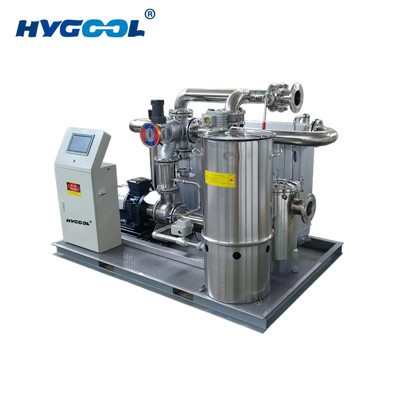
As a pool spa equipment supplier, I know that having the right equipment can make a big difference in maintaining proper alkalinity. For example, a good quality pool pump is essential for circulating the water. This ensures that the chemicals are evenly distributed throughout the pool, which is crucial for maintaining a stable alkalinity level.
A pool filter also plays an important role. It helps to remove dirt, debris, and other contaminants from the water. These contaminants can sometimes affect the alkalinity and pH levels of the water. By keeping the water clean, the filter can help prevent issues related to improper alkalinity.
There are also automated chemical dosing systems available in the market. These systems can be programmed to add the right amount of chemicals, including those for adjusting alkalinity, at the right time. This takes a lot of the guesswork out of pool maintenance and helps to keep the alkalinity level more consistent.
Conclusion
Balancing the alkalinity in a pool spa may seem like a daunting task, but with the right knowledge and tools, it can be easily managed. Remember to test your water regularly, use the appropriate chemicals, and invest in good quality pool spa equipment.
Sauna Room If you’re having trouble with alkalinity balance in your pool spa or if you’re looking for high – quality pool spa equipment, I’d love to help. Feel free to reach out to me for a consultation. I can provide you with the right products and advice to keep your pool spa in top condition.
References
- "Pool & Spa Water Chemistry: A Test Kit Owner’s Guide" by the National Swimming Pool Foundation
- "The Pool Spa Handbook" by Byrnes Publishing
Guangzhou Qiaoyi Water Treatment Technology Co., Ltd.
Address: Floor 6th, Building 2, No. 3, Ketai 1st Road, Baiyun District, Guangzhou 510445, Guangdong Province, China
E-mail: Hygool@hygool.com
WebSite: https://www.hygool.com/
