When my cousin Sarah opened her small artisanal jam business last year, she made every detail count. She sourced organic berries, designed custom labels with watercolor illustrations, and even tested five different lid styles to make sure her jars sealed perfectly. But when she started getting orders back with jam leaking through the packaging, she panicked. “I thought the jar was enough,” she told me over coffee. “I didn’t realize the bag holding it would make or break the product.” That conversation is what made me realize how many small food producers overlook one of the most critical parts of their supply chain: food packaging bags. As a food packaging bags supplier who’s worked with hundreds of brands, I’ve seen firsthand that choosing the right bag isn’t just about protecting food—it’s about preserving freshness, complying with regulations, and even boosting sales. Today, I’m breaking down the questions to ask so you can pick bags that work as hard as your product does. Food Packaging Bags
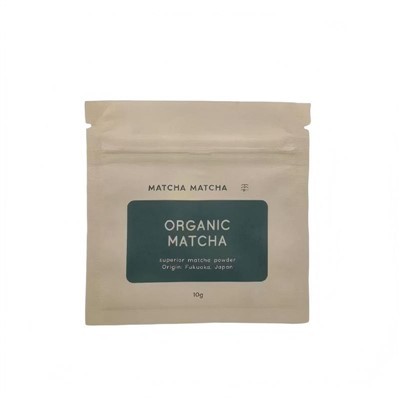
First, let’s talk about the basics: what the bag needs to keep out. If you’re packing potato chips, you’re fighting oxygen that makes chips go stale and light that makes them turn rancid. If you’re packing fresh bread, you need to let a little moisture escape so it doesn’t get soggy, but keep too much from escaping so it doesn’t go hard. If you’re packing dried herbs, you need to keep both light and moisture out to maintain their potency. The key here is matching the bag’s barrier properties to your product’s shelf life needs. Not all barriers are created equal. Polyethylene (PE) is a common base because it’s flexible, affordable, and food-safe, but it’s not great at blocking oxygen or light. For longer shelf life, you might need a laminated bag—layers of PE paired with materials like aluminum foil or polyester (PET) that boost barrier performance. For example, a single-serve bag of roasted coffee beans needs a high oxygen barrier to keep the beans fresh for up to six months, while a bag for bulk loose tea might need a slightly lower barrier if it’s going to be used within a month. I always tell new producers to ask: how long do I need this product to stay fresh? That answer will narrow down the barrier options immediately.
Next, material safety is non-negotiable. If a food packaging bag is leaching chemicals into your product, all that time spent sourcing high-quality ingredients goes to waste. There are strict global regulations for food contact materials, like the U.S. FDA’s Food Contact Substances (FCS) list and the EU’s Regulation 10/2011. As a supplier, I only work with materials that are certified for direct food contact, and I make sure every batch of bags comes with a Certificate of Conformity (COC) so our customers have proof their packaging meets standards. But not all certified materials are the same. For example, PLA (polylactic acid) is a popular biodegradable material, but it’s not as heat-resistant as PE, so it’s not ideal for products that will be microwaved or heated during transport. If you’re packing frozen food, you need a material that doesn’t become brittle in cold temperatures—low-density PE (LDPE) works well here, while some biodegradable plastics might crack when exposed to freezing. Another thing to consider: if your product is acidic (like jam or pickles), you need a bag that won’t react with the acid. Laminated bags with a PE inner layer are usually safe, but I always recommend testing a small batch before committing to a large order. I once had a customer who switched to a cheaper, untested laminated bag for their pickles, and the acid reacted with the inner layer, leaving a strange taste in the product. That mistake cost them thousands of dollars in returns, so I never skip the reminder: safety starts with certification, but testing is how you confirm it.
Then there’s functionality: how will you fill, seal, and store your product? A bag that looks great on the shelf is useless if your production line can’t fill it quickly, or if customers can’t open it without struggling. Let’s start with seals. If you’re using a heat sealer, you need a bag that has a uniform seal area that melts evenly. Some bags have a “zipper” seal for reusability, which is a big plus for products like granola or trail mix that customers can open and close multiple times. But not all zipper seals are equal: some are easy to open, others are too tight, and some stop working after a few uses. I always tell customers to test the zipper seal with their product—humidity inside the bag can affect how well it works. For example, a bag with a zipper for rice will perform differently than one for cookies, because rice is drier. Another functionality point: stand-up vs. flat bags. Stand-up bags have a gusseted bottom, so they sit on shelves without needing a box. They take up less space in storage, are easier for customers to handle, and have more surface area for labels. Flat bags are cheaper, but they need to be placed in a box or bin for display. If you’re selling online, stand-up bags are often better because they look more professional in product photos, and they’re less likely to get crushed during shipping. I also work with customers on resealable options: if your product is perishable, a resealable bag keeps it fresh longer after opening, reducing food waste for your customers—and that’s a selling point you can highlight on your label. We also offer options with tear notches, which make it easy for customers to open the bag without needing scissors, a small detail that improves the overall experience.
Cost is a factor for every small business, but it shouldn’t be the only factor. I hear it all the time: “I want the cheapest bag possible to save money.” But cutting corners on packaging can lead to higher costs in the long run—returns, damaged products, lost customers. Let’s do the math. Suppose you sell homemade cookies for $5 a box. If a cheap bag breaks during shipping, you have to replace the product, pay for return shipping, and risk the customer never buying from you again. A slightly more expensive, durable bag costs 10 cents more per unit, but it eliminates 10% of returns. If you sell 1,000 units a month, that’s $100 in extra bag costs, but you save $500 in return costs. Plus, customers notice when packaging feels high-quality. I’ve seen brands switch from thin, flimsy bags to thicker, laminated ones, and their sales go up because the product feels more valuable. That said, there are ways to save money without sacrificing quality. For example, ordering in bulk usually gives a lower per-unit cost, but make sure you don’t order more than you can use in a year—materials can degrade over time, especially if they’re exposed to sunlight or moisture in storage. Another way to save is to use the right size bag. A bag that’s too big wastes material and makes the product look small; a bag that’s too small is impossible to seal. We help our customers calculate the perfect bag size by measuring their product’s dimensions (length, width, height) plus a little extra space for filling and sealing, so they avoid overpaying.
Sustainability is another big one today, and customers are paying attention. A 2023 survey by the Natural Resources Defense Council found that 60% of consumers are willing to pay more for products with sustainable packaging. But “sustainable” means different things to different people. If your audience is eco-conscious, a biodegradable or compostable bag might be the right choice, but you need to make sure it’s truly compostable. Not all bags labeled “biodegradable” break down in home compost piles—some only break down in industrial compost facilities. PLA bags, for example, need high temperatures to decompose, so if your customer sends it to a regular trash can, it will sit in a landfill for years. If home compostability is important for your brand, look for bags with the BPI (Biodegradable Products Institute) certification, which means they break down in home compost. Other sustainable options include recycled content bags—bags made from post-consumer recycled plastic, which reduces waste. We offer both, and we work with customers to choose what aligns with their values. For example, a local salad shop I work with switched from virgin plastic bags to 100% post-consumer recycled LDPE bags, and their customers loved it so much, they started featuring it on their social media. But again, sustainability isn’t worth sacrificing functionality. A compostable bag that doesn’t keep lettuce fresh is useless, so we always balance eco-friendliness with performance.
Let’s put this all together with a real example. A customer of mine makes organic, cold-pressed apple cider. They initially chose a thin LDPE bag because it was cheap, but within a month, they were getting complaints that the cider tasted flat and smelled like plastic. We worked through the steps: first, the thin LDPE had a high oxygen transmission rate (OTR), so the cider was oxidizing. Second, the uncertified inner layer was leaching a mild taste. Third, the bag wasn’t light-blocking, so light was speeding up spoilage. We suggested a laminated bag with a PE inner layer, aluminum foil middle layer, and PET outer layer. This bag had a low OTR, blocked light, was certified food-safe, and cost 15 cents more per unit than their old bag. But within two months, their customer complaints dropped to zero, and their shelf life extended from two weeks to four weeks. They were able to reduce their batch sizes, cut down on food waste, and even raise their price by $1 because the packaging felt more premium. That’s the value of choosing the right bag—it’s not just a container, it’s part of your product’s story.
At the end of the day, choosing the right food packaging bags is about understanding your product, your customers, and your goals. There’s no one-size-fits-all answer. If you’re packing dry goods with a long shelf life, you might prioritize barrier properties and sustainability. If you’re packing fresh, perishable food, you might prioritize moisture balance and seal strength. If you’re selling online, you need durability for shipping. If you’re selling in local stores, you need shelf appeal. The worst mistake you can make is guessing—testing samples, asking questions, and working with a supplier who takes the time to understand your business will save you time, money, and frustration down the line.

If you’re a food producer feeling overwhelmed by all these choices, I’m here to help. We work with small-batch makers to large food brands, and we don’t push one-size-fits-all solutions. We’ll send you free sample bags tailored to your product, walk you through certifications and functionality, and help you find a packaging solution that works for your budget and your brand. Don’t let bad packaging derail all the hard work you put into your product—reach out today to discuss your food packaging needs, and let’s find the right bags together.
Side Gusset Pouch References
U.S. Food and Drug Administration. (2024). Food Contact Substances (FCS) Notification Program. Retrieved from agency records on food safety regulations
Natural Resources Defense Council. (2023). Consumer Attitudes Toward Sustainable Packaging. Annual survey of U.S. shoppers
European Commission. (2011). Regulation (EU) No 10/2011 on plastic materials and articles intended to come into contact with food. Official Journal of the European Union
Packaging Association. (2022). Barrier Properties of Flexible Food Packaging Materials. Industry guide for food producers and suppliers
Shandong Lepu Digital Printing Co., Ltd.
Shandong Lepu Digital Printing Co., Ltd. is one of the most professional food packaging bags manufacturers and suppliers in China, specialized in providing high quality customized service. We warmly welcome you to buy high-grade food packaging bags made in China here from our factory.
Address: 500 meters north of the intersection of Huaihai 2nd Road and Xiwu Road, Junan County, Linyi City, Shandong Province
E-mail: sales01@lepupac.com
WebSite: https://www.lepupouch.com/
