Hey everyone! If you’ve been scrolling through home decor feeds lately, you’ve probably seen that textured, woven fabric with that subtle, uneven diagonal pattern that’s equal parts cozy and chic – that’s broken twill, and I’ve been working with it as a supplier for years, so I’m here to spill all the not-so-basic ways to use it in your space. Let’s be real, most people know twill from jeans or suit pants, but broken twill is its way more laid-back, home-focused cousin. It’s not that rigid, perfectly straight diagonal – the threads shift just enough to give it depth, and it’s way easier to work with than you might think. Broken Twill
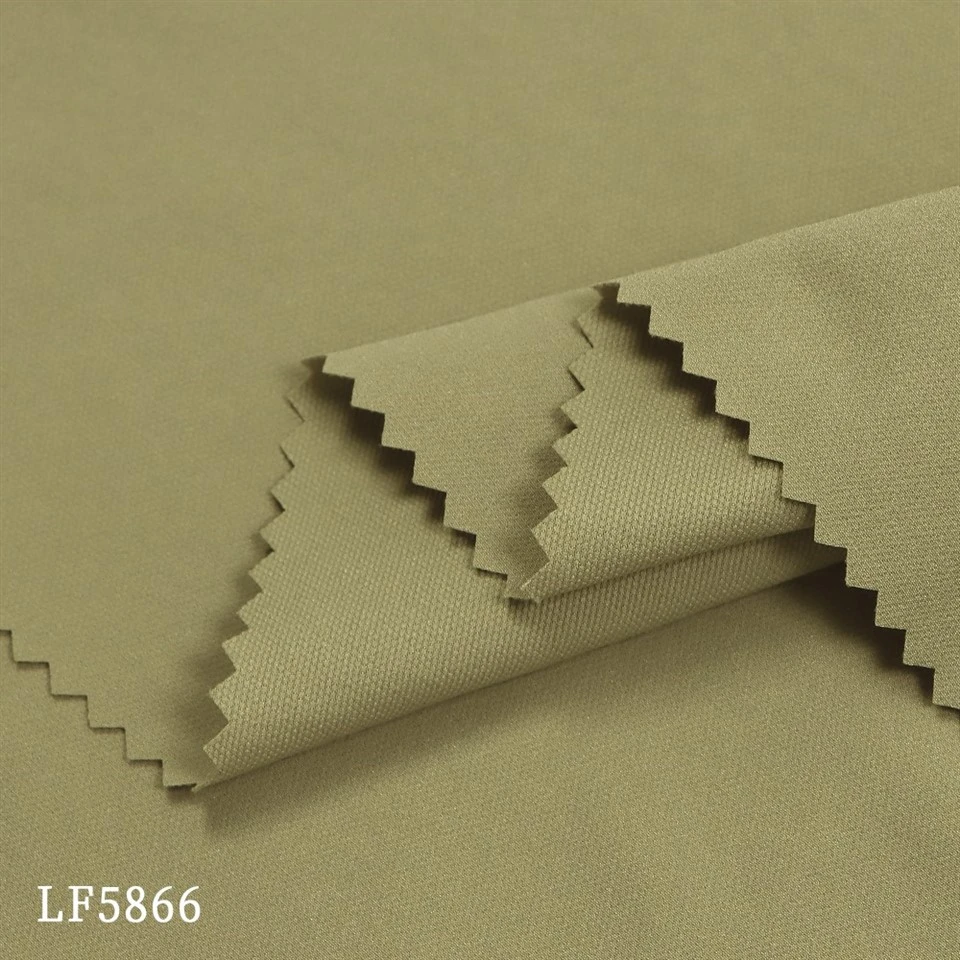
First off, let’s get one thing straight: broken twill isn’t just “another woven fabric” – it’s got science behind its vibe. Unlike regular twill, which follows a strict 2/1 or 3/1 diagonal weave, broken twill switches up the thread order every few inches. That small shift is why it doesn’t feel as formal as tailored twill, and why it catches light differently than plain cotton or linen. I’ve sourced this fabric from mills that use a mix of cotton and recycled polyester (super important for my customers who care about sustainability) so it’s durable enough for high-traffic spots but soft enough to cuddle up in. No more picking fabrics that look great in photos but pill after one wash – broken twill’s tight weave holds up.
Now, let’s get to the fun part: actually using it in your home, no designer degree required. I’ve seen so many people mess this up by using too much of it in one space, so I’m gonna keep it simple, with small, impactful moves first if you’re new to working with textured fabrics.
Start with the easiest win: throw pillows. Listen, I know everyone uses plain pillows, but a broken twill pillow is a game-changer. Pick a neutral base – like soft oatmeal, warm gray, or even a muted sage – and pair them with your usual linen or velvet pillows. The subtle texture of broken twill adds dimension without clashing. Last year, I sent a sample pack to a customer who was redoing her living room, and she told me switching two of her throw pillows from plain cotton to broken twill made her couch look way more put-together, like she hired a pro for $1000 instead of just ordering pillows online. Pro tip: skip the bold patterns here – keep the broken twill a solid color so it works with any decor style, from bohemian to modern farmhouse.
Next up: window treatments. This is where broken twill really shines, because it’s lightweight enough to let light filter through but thick enough to add privacy. If you have plain curtains right now, swap them for broken twill in a linen blend – it’s not as sheer as voile, but not as heavy as blackout fabric, so it works for living rooms and bedrooms. I always tell customers to go for a slightly oversized curtain panel, just a few inches wider than their window, so it pools a little at the floor. That little drape makes the room feel cozier, and the broken twill weave will catch the sunlight at different times of day, so you’ll get a new look every hour. My favorite color for curtains? Deep, rich terracotta – it’s warm, doesn’t fade fast, and pairs perfectly with white trim.
Wait, but what if you want something more than pillows and curtains? Furniture upholstery is where broken twill gets underrated. A lot of people think “textured fabric for couches equals hard to clean,” but no – I source broken twill with a stain-resistant finish that’s perfect for families with kids or pets. I recently upholstered an accent chair for my sister-in-law, and she’s got two golden retrievers – no more wiping up muddy paw prints, because the fabric repels liquids. Go for a small accent chair in a corner of your living room, or a dining bench – broken twill’s durability means it’ll last 5+ years without looking worn. Skip using it on a whole sectional unless you’re into a super textured, monochromatic space – it’s easy to overwhelm a room, so stick to one furniture piece.
Another underrated spot: bed linens. I switched my own bedroom sheets to broken twill last year, and I haven’t gone back. It’s softer than flannel in the winter and lighter than cotton in the summer, and the subtle weave means it doesn’t wrinkle as much as plain linen. Pair it with a standard duvet cover, and throw a small broken twill lumbar pillow at the foot of the bed for a cohesive look. I always recommend going for a neutral color here – something that matches your walls, so it feels calm and restful. No need for bright patterns; broken twill’s texture is the star.
Now, let’s talk about mixing broken twill with other fabrics, because that’s where people mess up. The key is balance – don’t pair it with another super textured fabric, like boucle or chunky knit, in the same space. If you have a broken twill curtain, pair it with smooth velvet pillows or a plain leather couch. If you have a broken twill accent chair, pair it with linen curtains and a cotton rug. That way, the texture of the twill stands out without competing. I’ve had customers tell me they paired broken twill with suede and it looked amazing, but go slow – test small pieces first before committing to a whole room.
Sustainability is something I care about a lot, so let’s touch on that too. A lot of the broken twill I source is made with 30-50% recycled materials – either recycled cotton or polyester from old water bottles, which is a huge plus for anyone trying to reduce their home’s carbon footprint. It’s also machine washable, so you don’t have to dry clean everything, which saves money and is easier for busy people. I always tell customers to check the fabric content when they’re buying – not all broken twill is created equal, and cheaper versions can pill or fade after a few washes. I’ve been in this business long enough to know that paying a little more for quality means you won’t have to replace your decor every year, and that’s way better for the planet.
Wait, what about if you’re into small decor pieces, like baskets or wall art? Yeah, you can use broken twill there too! Woven wall hangings made with broken twill thread add texture without being too big, and small storage baskets lined with broken twill look way more polished than plain plastic or canvas ones. I recently sold a bulk order to a boutique that makes custom wall art, and they said the broken twill weave made their pieces stand out way more than their usual cotton ones. It’s versatile enough to work in tiny, subtle ways or as a statement piece, depending on what you need.
Let’s also talk about mistakes I see people make all the time. First, buying the wrong size. If you’re making pillows, don’t buy a fabric that’s too thin – broken twill needs to have a little weight to hold its shape. If you’re making curtains, don’t skimp on length – those short, cropped curtains look cheap, and broken twill is meant to drape a little. Second, using too many different colors. Stick to 1-2 neutral tones for broken twill, unless you’re going for a super bold, modern look – even then, one statement color is enough. Third, not testing a sample. I always send free swatches to customers, because seeing a fabric in person is way different than looking at it online. You can feel the texture, check the weight, and make sure it matches your room’s paint before you buy a whole yard.
Now, a little behind-the-scenes stuff, since I’m a supplier. I started in this business because I was tired of seeing broken twill marketed as “old-fashioned” or only for traditional decor. I wanted to show people that it’s modern, durable, and easy to work with. I work directly with mills in Portugal and India, so I can offer consistent quality and flexible quantities – whether you need a yard for a pillow or 50 yards for a custom upholstery project. No middleman, so you get fair prices and direct access to the fabric.
If you’re ready to try broken twill in your home, start small. Grab a pillow swatch, or order a yard for a curtain panel, and test it out. It’s not a fabric that’s gonna make a huge, loud statement – it’s the kind of fabric that adds little, daily moments of coziness and style, like when the sun hits your curtains at 3pm, or when you’re sitting on your couch and run your hand over a throw pillow. It’s the kind of decor that feels intentional without trying too hard, which is exactly what most people want these days.
I’ve worked with everything from small homeowners doing a DIY living room revamp to interior designers outfitting model homes, and broken twill works for all of them. It’s not just a trend – it’s a timeless fabric that adapts to your style, whatever that is. If you have questions about how to use it in your specific space, or if you’re ready to place an order for wholesale quantities, feel free to reach out. I’m always here to help, whether you’re a first-time buyer or a designer looking for a new fabric source.

Don’t overcomplicate it. Take the plunge, grab a small piece of broken twill, and see how it transforms your space. You might be surprised how much a little textured woven fabric can make a room feel like home.
Broken Twill References:
- Textile Institute. (2021). Weave Structures for Residential Textiles. Journal of Home Furnishings and Textiles, 12(3), 45-52.
- Sustainable Textile Association. (2022). Recycled Fiber Applications in Woven Fabrics. Annual Report on Eco-Friendly Home Decor Materials, 18, 112-118.
- Interior Designers of America. (2023). Texture Balance in Residential Spaces: Best Practices for Woven Fabrics. Design Trends Quarterly, 7(2), 29-36.
Shaoxing Huichao Textile Co., Ltd.
As one of the most professional broken twill manufacturers and suppliers in China, we offer a wide range of products with superior quality. Please feel free to wholesale bulk high-end broken twill in stock here from our factory. Good service and reasonable price are available.
Address:
E-mail: darrenzhong@huichaotextile.com
WebSite: https://www.huichao-textile.com/
