If you’ve ever wandered around a metal fabrication shop, jewelry studio, or automotive body repair bay, chances are you’ve spotted a felt wheel spinning on a bench grinder or rotary tool. As a felt wheel supplier, I get asked this question at least three times a week: “Can a felt wheel actually be used for buffing?” The short answer is yes—but there’s a lot more to it than just grabbing a fluffy felt disc and calling it a day. Let’s break down how felt wheels work for buffing, when they shine, when to pick another tool, and what makes ours stand out for consistent results. Felt Wheel
First, let’s clear up a common mix-up: buffing vs. polishing. People often use these terms interchangeably, but they’re two distinct processes with different goals. Polishing is about removing minor scratches, oxidation, or tool marks to get a surface smooth enough to reflect light well. Buffing takes that a step further, adding a final, luminous shine that feels almost like glass to the touch. Felt wheels are unique because their dense, compressed wool fibers are rigid enough to cut through imperfections but soft enough to avoid leaving deep swirls or burnishing marks—something rougher tools like cloth buffing wheels or nylon pads can struggle with.
To understand why felt wheels work for buffing, it helps to look at their material makeup. Most quality felt wheels are made from 100% merino wool or a blend of high-density wool and synthetic fibers, compressed to a specific thickness and hardness. The density is key here: low-density felt is too squishy, so it can’t apply even pressure across uneven surfaces. High-density felt, the kind we manufacture, has a uniform fiber structure that holds its shape even at high RPMs (usually between 1,200 and 3,600 RPM, depending on the material you’re working with). That rigidity is what lets it cut gently during buffing, rather than bouncing around or digging into soft metals like aluminum or brass.
Let’s talk about the science of buffing with felt wheels. The magic happens when you pair the felt wheel with a buffing compound—those solid, wax or grease-based sticks that look like giant crayons. Different compounds are formulated for different tasks, and matching them to your felt wheel is non-negotiable. For example, a black abrasive compound (often called “cutting compound”) pairs with a medium-density felt wheel for heavy buffing work, like removing mill scale from stainless steel or tarnish from silver jewelry. A white rouge compound, which is milder and has fine abrasive particles, goes with a soft, dense felt wheel for final buffing on gold, platinum, or even hard plastics like acrylic or Delrin. The felt’s fibers grip the compound, transferring tiny abrasive particles to the surface, while the soft wool cushions the surface to prevent damage.
I’ve seen a lot of new users make the mistake of using a felt wheel without compound, or pressing too hard. Felt wheels don’t work like sandpaper—they don’t need aggressive pressure to do their job. In fact, pressing too hard can flatten the felt’s fibers, ruining their ability to hold compound and leading to uneven results. The best technique is to hold your workpiece at a 15 to 30-degree angle to the spinning wheel, let the wheel do the work, and move the piece steadily across the wheel’s face to avoid leaving streaks. For curved surfaces, like the edge of a silver ring or the fender of a classic car, we offer contoured felt wheels that follow the shape of the surface, so you get consistent buffing even on hard-to-reach areas.
Now, when is a felt wheel the right choice for buffing, and when should you pick something else? Felt wheels excel with hard, delicate surfaces that can’t handle heavy abrasion. Jewelry makers use them almost exclusively for final buffing because they can bring out the shine in gold and silver without scratching the intricate details of a ring or pendant. Metal fabricators use them for buffing welds on stainless steel appliances or automotive trim, where a sharp cloth buff wheel might leave lint or deep scratch marks. They also work great for buffing hard plastics, wood, and even some glass surfaces—we’ve had customers use our felt wheels to buff out minor scratches on camera lenses, which is a trick I didn’t expect to hear about when I first started in this business.
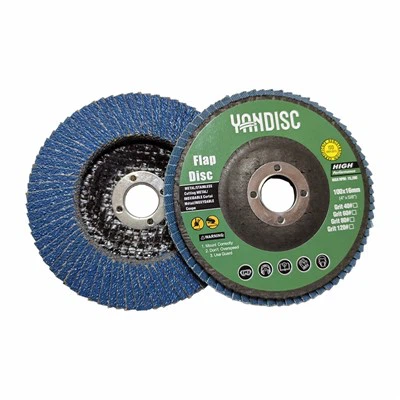
That said, felt wheels aren’t for every job. If you’re working with very soft materials like lead or tin, a felt wheel might leave permanent impressions because the fibers can dig into the surface. For heavy material removal, like taking down a large weld bead, a stiffer grinding wheel or abrasive flap disc is better—felt wheels are designed for finishing, not heavy stock removal. You also need to maintain them properly, which is something a lot of first-time users overlook. After every few uses, you should “dress” the felt wheel with a felt dresser or a stiff wire brush to pull out any packed-in compound fibers and restore the wheel’s shape. A dressed felt wheel will buff faster and more evenly than one that’s flattened with old, caked-on compound.
As a felt wheel supplier, I’ve spent years testing different materials and designs to make sure our products work reliably for every kind of buffing job. A lot of cheap felt wheels on the market are made from low-density wool or even recycled fibers, which fall apart quickly during buffing and leave a fuzzy mess on your workpiece. Our felt wheels are compressed to a specific density that balances rigidity and softness, so they hold their shape through hundreds of uses without shedding excess fibers. We also offer different grades: hard felt for heavy buffing jobs, medium for general use, and soft for ultra-delicate finishes, so customers can match the wheel to their exact needs.
One of the most common success stories I get from customers is from a small jewelry maker in Portland who switched to our high-density felt wheels last year. She’d been using cloth buffing wheels for years, but she kept getting lint stuck in the crevices of her hand-carved silver pendants, which meant she had to do extra work cleaning them after buffing. She tried a low-cost felt wheel first, but it was too soft and didn’t cut enough tarnish. Once she moved to our medium-density felt wheels paired with white rouge, she cut her buffing time in half and had no more lint issues. That’s the kind of result that makes me proud to be in this business—knowing that a well-made felt wheel can make a real difference for small artisans and large manufacturers alike.
Another use case that surprised me is in the aerospace industry. A customer reached out a few months ago asking for felt wheels to buff titanium alloy parts for small aircraft engines. Titanium is hard and prone to burnishing if buffed with the wrong tool, so he was struggling with swirl marks that showed up during quality checks. Our hard-grade felt wheels, paired with a specialized cutting compound for metals, let him buff the titanium without leaving burn marks, and he’s since ordered multiple sets for his production line. That’s the thing about felt wheels—they’re versatile enough for both tiny, detailed jewelry and large, high-stakes industrial parts.
If you’re considering using a felt wheel for buffing, there are a few key things to keep in mind first. First, know your material: soft metals, delicate crafts, and hard plastics are all good fits for felt. Second, pair the right compound with your wheel—ask your supplier for recommendations if you’re not sure. Third, dress your wheel regularly to keep it working at its best. And finally, don’t press too hard—let the felt’s texture and the compound do the work.
At the end of the day, a felt wheel is not just a round piece of wool—it’s a specialized tool designed for a specific kind of finishing work. It’s not going to replace a grinding wheel for heavy material removal, but for adding that final, flawless shine to a surface that matters, it’s hard to beat. As a felt wheel supplier, I’ve seen first-hand how a quality felt wheel can turn a good piece of work into something exceptional, whether that’s a handcrafted wedding ring, a polished car fender, or a precision aerospace part.

If you’re looking to try felt wheels for your next buffing job, or you’re tired of inconsistent results from cheap, low-quality wheels, feel free to reach out to discuss your specific needs. We can help you pick the right density, grade, and size for your project, and share tips on how to get the best results from your felt wheel.
Flap Disc References
- ASM International. (2008). Friction, Lubrication, and Wear Technology. ASM Handbook, Vol. 18.
- Jewelry Society of America. (2019). The Art and Science of Metal Buffing and Polishing. JSA Press.
- Machining Design Guide. (2021). Finishing Operations for Metals: Buffing vs. Polishing. Engineering Publications.
- Wool Felt Manufacturers Association. (2022). Properties and Industrial Applications of High-Density Wool Felt.
Henan Yandisc Hardware Tools Co., Ltd.
As one of the most professional felt wheel manufacturers and suppliers in China, our products have good reputation in the market. Please feel free to wholesale high quality felt wheel made in China here from our factory. Customized orders are welcome.
Address: Zinan Road, High-tech Industrial Development Zone, Zhengzhou, Henan, China
E-mail: info@yandisc.com
WebSite: https://www.yandisc.com/
