Hey there, thanks for swinging by my little corner of the internet – I’m one of the guys who’s been hooking up construction crews, DIYers, and masons with brick mesh for over 10 years now, and let me tell you, I’ve seen so many people grab the first roll off the shelf just because it says “brick mesh” on it. Spoiler: that’s a fast track to a headache. Whether you’re patching a backyard retaining wall, framing a new fireplace, or putting up a whole exterior brick facade, picking the wrong mesh can lead to cracks that show up a year later, loose bricks, or even worse – I’ve seen a whole patio section shift because someone bought the cheapest mesh they could find and it rusted through in two years. So today, we’re breaking down exactly what you should be looking for when choosing brick mesh, no fancy construction jargon, no boring sales pitches – just real talk from someone who’s been in the thick of it on job sites and behind the counter. Brick Mesh
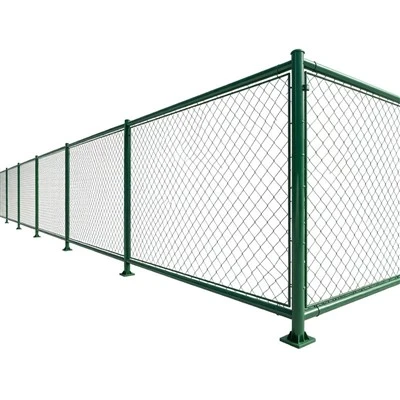
First off, let’s get one thing straight: not all brick mesh is made the same. You might see it labeled as masonry mesh, wall reinforcement mesh, or brick reinforcement, but at the end of the day, it’s all that metal grid that goes behind brick to hold everything together, prevent cracks, and stop walls from shifting. I’ve had a customer come to me last month asking for mesh for a tiny patch job on his living room chimney, and he tried to buy the thick, heavy-duty stuff meant for 2-story exterior walls – total overkill, and it would’ve cost him twice as much. So step one is to figure out what job you’re actually doing, because that dictates almost everything else. Let’s dive into the big factors, starting with the material – this is non-negotiable, and I can’t stress this enough.
Material matters more than anything else, hands down. The two main types you’ll see are black steel (also called plain carbon steel) and galvanized steel, but wait – there’s even more to galvanized than just that. Let’s start with black steel first. It’s cheap, it’s strong, but it will rust if it’s exposed to moisture, which is basically impossible to avoid in construction. I only sell black steel mesh for super specific jobs – like when it’s fully encased in concrete or mortar that won’t get exposed to rain, like inside a concrete block foundation wall where it’s buried under footings. If you use black steel mesh on an exterior wall, where it’s sitting right under brick that gets rained on all winter? That rust will expand, push through the mortar, and crack your wall from the inside out. I’ve fixed so many jobs where people cut corners on black steel for exterior use, and by year three, they’re calling me begging to replace half their brickwork. So save black steel for interior, fully concealed jobs only.
Now, galvanized mesh is the workhorse of brick mesh, but not all galvanized is created equal. There are two common galvanization methods: hot-dip galvanized and electro-galvanized. Hot-dip is the good stuff, full stop. It’s when they dip the entire steel mesh into a bath of molten zinc, so the zinc coats every single inch – even the nooks and crannies of the wires, the cut ends, everything. That means it won’t rust, even if it’s exposed to rain, snow, or moisture over decades. Electro-galvanized, on the other hand, is a thinner layer of zinc applied with an electric charge. It’s cheaper, so you’ll see it at big box stores for half the price, but it chips and wears off super easy – especially on the cut edges when you’re trimming it to fit your wall. I can’t tell you how many people come back upset because their $20 roll of electro-galvanized mesh started rusting in 18 months, and they have to rip out half their wall to redo it. Hot-dip is worth the extra few bucks, trust me. The other big material option now is stainless steel mesh, which is overkill for most jobs but perfect for coastal areas where salt air will eat through even galvanized steel. If you’re building in Florida, California’s coast, or any place with heavy salt exposure, skip galvanized and go stainless. It lasts forever, no rust, no issues, just a higher price tag. But for 90% of the jobs I do, hot-dip galvanized is the sweet spot.
Next up, the mesh size – that’s the grid size between the wires, right? A lot of people don’t even think to check this, they just grab a roll, but it can make or break your project. Mesh size is usually listed as two numbers, like 1/2-inch by 1/2-inch, or 1-inch by 1-inch. The first number is the spacing between the horizontal wires, the second is the vertical. For most standard exterior brick walls, you want 1-inch by 1-inch mesh. It’s flexible enough to bend around corners or frame openings like windows and doors, but sturdy enough to hold bricks in place and prevent cracks from settling or temperature changes. The smaller the mesh, the stronger it is, but it’s also way more rigid and harder to work with. For small patch jobs, you can even go up to 1.5-inch spacing, since you don’t need as much heavy reinforcement for a 1-foot patch. But if you’re doing a full exterior wall, patio, or retaining wall, don’t skimp on the 1-inch grid. I once had a customer use 2-inch mesh for a backyard retaining wall, and within a year, the wall started bulging because the bigger gaps meant individual bricks weren’t held tight. Lesson learned there.
Then there’s the wire gauge, which is how thick the actual wires are. That’s another thing people overlook, and it’s huge. Wire gauge is a number – the lower the number, the thicker the wire. So a 10-gauge wire is way thicker than a 16-gauge. What’s the right gauge for you? Again, depends on the job. For interior walls and small patches, 16 or 14 gauge works fine – it’s light, easy to cut with wire cutters, and holds up. But for exterior walls, retaining walls, fireplace surrounds, or any place that’s going to get heavy use or weather, you want 12 or 10 gauge. The thicker wires mean the mesh doesn’t bend or sag over time, which is key for keeping bricks aligned and preventing cracks. I’ve had a homeowner use 16-gauge mesh for a 10-foot exterior wall, and two years later, the mesh had sagged in the middle, pulling bricks out and leaving big gaps. If he’d spent a couple extra bucks on thicker wire, that never would’ve happened. The really cheap mesh at big box stores often uses 18-gauge wire – that’s way too thin for almost any job. It bends too easy, rusts faster, and is just not worth the hassle.
Wait, also, make sure the mesh is listed as “masonry-grade” or “brick-specific” mesh, not just general hardware cloth. Hardware cloth is for like animal pens or garden beds, it’s made with thinner wires and different spacing, and it’s not designed to hold up to mortar or the weight of bricks. I’ve seen people mix those up too – total disaster. So always double-check that it’s labeled for masonry or brick reinforcement.
Another thing that’s often overlooked but super important: the way the mesh is constructed. You want welded mesh, not woven. Welded mesh is where each intersection of the horizontal and vertical wires is actually welded together, so the whole grid is one solid piece. Woven mesh is like chicken wire, where the wires are looped together – it’s flimsy, comes apart easy, and doesn’t give the consistent reinforcement you need for brick. All the good brick mesh is welded, so just make sure you’re not grabbing woven stuff by mistake. It’s usually thicker, and the intersections are raised or marked as welded, so easy to tell.
Also, think about where you’re buying it from, honestly. A lot of people run to the big home improvement stores, but the stuff there is often mass-produced, using lower-grade galvanizing and thinner wire, just to undercut competitors. When you buy from a local supplier like me, we stock the good stuff, we know exactly what grade it is, and we can help you pick the right one for your specific job, not just push the cheapest thing on the shelf. Last month, I had a contractor come in, he was doing a job in a coastal town, and he almost bought electro-galvanized mesh from the big box down the street. I pointed out the hot-dip stuff I had, told him it would hold up to the salt air, and he ended up saving himself a ton of money in the long run by not having to redo the wall in a couple years. That’s the kind of stuff we do – we’re not just selling mesh, we’re helping you not make a mistake.
Wait, let’s also talk about a few extra things, just to cover all bases. If you’re doing a fireplace or wood stove surround, you need fire-resistant mesh – which means the stainless steel or heavy-gauge hot-dip stuff, obviously, and never use black steel there, because the heat will make it rust faster. For retaining walls, you might even want mesh with a bit more flex, so it can move a little with soil pressure without cracking. And always, always check the measurements of the mesh roll. Some places sell rolls that are 3 feet wide, some 4 feet, and lengths vary too. Don’t buy a roll that’s too small for your wall – you’ll have to overlap the mesh, and if you don’t overlap it by at least 6 inches, you’ll get gaps where the reinforcement is weak. Pro tip: when you’re laying mesh, you want it centered in the mortar joints of the bricks, not sitting against the back of the wall. That way, it’s evenly supported, and the mortar bonds to it properly.
Let me wrap this up with a quick real example to drive it home. A few years back, I had a customer named Mike who was building a new back patio with brick pavers. He went to the big box, bought the cheapest roll of mesh he could find – $15 for a 50-foot roll, super thin, electro-galvanized, woven even, looking back. He installed it under the pavers, followed all the steps he saw on YouTube. Last year, he called me panicking, because half his patio had sunk, and there were big cracks all along the brick. I went out to take a look, and sure enough, the mesh had rusted through, crumbled, and couldn’t hold the pavers in place. He’d spent a couple thousand dollars on the patio, and now he had to redo most of it. If he’d spent an extra $30 on the right mesh – hot-dip galvanized, 12-gauge, 1-inch welded grid – that would’ve never happened. That’s the difference between picking the right mesh and cutting corners.
At the end of the day, choosing brick mesh doesn’t have to be complicated. Just remember these points: material first – hot-dip galvanized for most jobs, stainless for coastal, black steel only for interior concealed work. Wire gauge – lower number is thicker, 12 or 10 gauge for exterior, 14 or 16 for small patches/interior. Mesh size – 1-inch by 1-inch is the standard for most full jobs, smaller for small patches. Welded, not woven, and make sure it’s masonry-specific, not hardware cloth. And buy from someone who knows their stuff, not just the cheapest shelf.
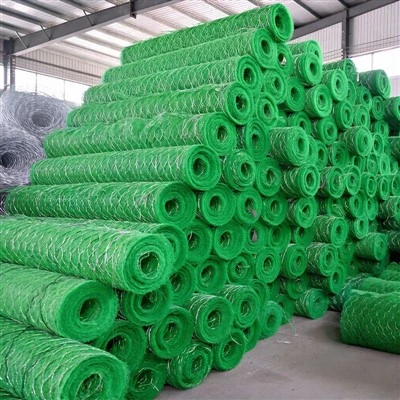
If you’re not sure what you need – whether you’re a DIYer with a small patch job, a contractor working on a new build, or someone building a fireplace or retaining wall – hit me up to chat through the details. I don’t do pushy sales pitches, I just tell you what works for your job, no hidden fees, no garbage mesh that’ll cause you headaches down the line. Whether you need a 10-foot roll or a whole pallet for a commercial project, I’ve got you covered. Let’s make sure your brick job lasts, not falls apart in a couple years.
Marine Engineering Metal Mesh References
- Masonry Reinforcement: Types, Selection, and Installation, National Concrete Masonry Association, 2021
- Galvanizing Standards for Construction Materials, American Galvanizers Association, 2022
- Coastal Construction Material Durability Guide, International Code Council, 2020
- Welded Wire Mesh Specifications for Brick Masonry, Brick Industry Association, 2019
Hengshui Anbang Road and Bridge Material Co., Ltd.
As one of the most professional brick meshmanufacturers and suppliers in China, we’re featured by quality products and good service. Please rest assured to wholesale bulk customized brick mesh from our factory. For pricelist, contact us now.
Address: Zhaobazhuang Wire Mesh Industrial Park, Shenzhou City, Hengshui City, Hebei Province
E-mail: 857732879@qq.com
WebSite: https://www.cnanbang.com/
