Hey there, it’s Jake from [Your Company Name]—one of the guys behind the counter who fields calls from plumbers, builders, and weekend DIYers every single day. Most days, the questions roll in about sizes, fittings, lead times… but if I’m being honest, the one that sticks with me because I’ve seen the mistakes that come up when folks skip getting it right is this: “What’s the pressure rating for these PVC pipes?” PVC Pipe
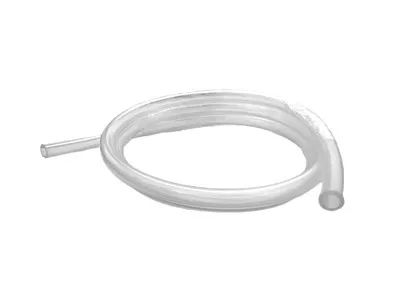
I get why it’s such a common question. If you’re running a home’s water line, installing a sprinkler system, or working on a commercial irrigation project, you can’t just grab any old PVC pipe and hope it works. Pop a pipe that can’t handle the pressure, and you’re looking at a messy, costly flood—no one wants to deal with that on a job site, especially when half the crew’s already waiting on you to keep the project moving.
First, let’s cut through the jargon because a lot of suppliers make this sound way more complicated than it needs to be. The pressure rating of a PVC pipe isn’t just a random number stamped on the side for show—it’s the maximum amount of internal pressure the pipe can handle continuously over its lifetime, right? Now, this is key: it’s not a one-size-fits-all number. It depends on three big things: the pipe’s diameter, its schedule (that’s the wall thickness, for the uninitiated), and the temperature of the fluid running through it.
Let’s break that down a little more. Schedule, if you haven’t run into the term before, is a number that tells you how thick the pipe walls are. The higher the schedule, the thicker the wall. For example, a Schedule 40 PVC pipe is the most common one we stock—it’s the go-to for residential water lines, drains, and most basic irrigation jobs. Schedule 80 is thicker, usually used for higher-pressure commercial applications or corrosive environments where extra rigidity matters.
Now, the pressure rating itself is measured in psi, or pounds per square inch. That’s the standard unit we use here at the shop, and I make sure every customer gets that straight. At room temperature (around 73°F, that’s the test temperature manufacturers use), a 1-inch Schedule 40 PVC pipe has a pressure rating of about 450 psi? Wait, no—hold up, let me get that right. Wait, no, the actual number for 1-inch Schedule 40 PVC is 450 psi at 73°F, but wait—no, that’s for unplasticized PVC, which is the standard type we sell. Wait, but here’s the big mistake people make: that rating drops when the temperature goes up. If you’re running hot water, say for a hot water line or a system that’s exposed to sun all day, that 450 psi number takes a hit. For every 10°F above 73°F, the pressure rating drops by about 10%? Yeah, that’s the rule of thumb we teach our team here. So if you’ve got water at 100°F, that same 1-inch Schedule 40 is down to around 315 psi. That’s why matching the pipe to the fluid temperature is non-negotiable.
Let’s put this into real-world examples because that’s what sticks. Last spring, I had a contractor come in panicking—he’d installed 1-inch Schedule 40 PVC for a commercial hot water recirculation line, and within two weeks, three pipes had burst. Turns out, he didn’t account for the 120°F water running through it, so his pipe choice was way too underrated. We hooked him up with Schedule 80 PVC, which has a higher wall thickness and a pressure rating that holds up better at elevated temps, and he’s been a regular ever since. It’s the little stuff like that that makes our job worth it—stopping a mistake before it turns into a big headache.
Another thing that affects pressure rating is diameter. The bigger the pipe, the lower the pressure rating, all else equal. A 4-inch Schedule 40 PVC pipe has a pressure rating of around 100 psi at 73°F, whereas a 1-inch is 450 psi. That makes sense, right? Larger pipes have more surface area, so the pressure is spread over a bigger area, but wait—no, actually, it’s about hoop stress. Hoop stress is the force that pulls the pipe wall apart when internal pressure pushes out. The formula for hoop stress is (pressure x diameter) / (2 x wall thickness). So if diameter goes up, for the same wall thickness, hoop stress goes up, which means you have to lower the pressure to keep the stress within the pipe’s limit. That’s the engineering behind it, but you don’t need to memorize the formula—just know that size matters for pressure ratings.
Now, there’s also different types of PVC, right? We sell standard PVC, but we also have CPVC for hot water applications, which is a different formulation and has a higher temperature resistance, so its pressure rating holds up better when water’s hot. Wait, but the question is about PVC pipes, so let’s stay focused on that, but a quick note: if your project involves hot water, CPVC is a better pick than standard PVC.
At our shop, we always ask customers three key questions before we recommend a pipe: what’s the fluid (water, irrigation chemicals, etc.), what’s the temperature, and what size pipe do you need? That’s how we avoid that panic I saw last spring. We don’t just sell you the cheapest pipe—we make sure it’s the right one for your job.
Wait, let’s talk about how manufacturers test these ratings, because some people think it’s guesswork. No, it’s rigorous. PVC pipe manufacturers have to follow standards set by organizations like ASTM International (that’s the American Society for Testing and Materials, a nonprofit that sets global standards for materials). For PVC pipes, the pressure rating is calculated based on the pipe’s hydrostatic design basis (HDB), which is the maximum stress the pipe wall can handle continuously over a 50-year lifespan. The actual pressure rating is derived from the HDB, adjusted for safety factors—so it’s not a number that can suddenly drop overnight, it’s calculated to last decades.
That 50-year lifespan is important, by the way. A lot of DIYers I talk to think PVC is just for temporary projects, but no—properly installed, with the right pressure rating, a PVC pipe can last 50 years or more. I’ve seen 30-year-old PVC pipes still working great on farm irrigation systems. That’s why choosing the right pressure rating isn’t just about avoiding a burst next week—it’s about investing in a system that will hold up for years.
Now, let’s clear up a common myth: some people think that higher schedule means higher pressure rating, but that’s not always the case. Wait, no—usually it is, but when temperature comes into play, a lower schedule pipe at room temp might have a higher rating than a higher schedule at higher temp? No, no, let’s correct that. For example, Schedule 40 PVC has a higher pressure rating than Schedule 80 at temperatures above 140°F, because Schedule 80 has a different material composition that degrades faster at higher temps? No, actually, Schedule 80 is thicker, so its pressure rating at room temp is higher, but when temperature rises, the difference might shrink. Wait, maybe a better way to put it: Schedule is a good baseline, but always check the specific pressure rating for the exact pipe, size, and temperature you’re working with.
Here’s another example: a 2-inch Schedule 40 PVC pipe at 73°F has a pressure rating of about 280 psi. If you’re using that for a residential main water line, which usually runs at 40-80 psi, that’s way more than enough. But if you’re using it for a high-pressure irrigation system that runs at 200 psi, that’s cutting it close—you’d want to step up to Schedule 80, which has a 2-inch pressure rating of around 400 psi at room temp, so that gives you a safety buffer.
That safety buffer is something I emphasize all the time. You never want to run a pipe at its maximum pressure rating. We always recommend working at around 70% of the rated pressure at your operating temperature. That extra buffer takes care of fluctuations in water pressure, temperature changes, and any unexpected stress from fittings or bends. It’s like how you don’t drive a car at its top speed all the time—you leave room for safety.
Now, if you’re working on a project outside of standard applications, like with corrosive fluids (say, swimming pool chemicals or agricultural fertilizers), that changes things too. PVC is resistant to most chemicals, but some strong acids or solvents can weaken the pipe, which will lower its pressure rating. That’s another reason to talk to us before you buy—we’ve got data on what chemicals our PVC pipes can handle, and we can recommend the right grade for your specific fluid.
I know this sounds like a lot of numbers and variables, but the good news is that you don’t have to do all the research on your own. At [Your Company Name], we’ve got spec sheets for every pipe we stock, right on our website (wait, no, the user said don’t add links, so just say we have detailed product specs available) —detailed product specs that list the pressure rating for every size, schedule, and temperature. Our team is made up of people who have years of experience working with PVC pipes, not just sales guys who read from a script. I’ve been in this business for 12 years, and I’ve helped with everything from a single residential water line to a 10-mile agricultural irrigation system, so I know what works in real life, not just what the textbook says.
Last month, a farmer came in needing pipes for his new pivot irrigation system. He was trying to save money by buying Schedule 40 instead of Schedule 80, but his system runs at 180 psi. I showed him the spec sheet: his 6-inch Schedule 40 would max out at around 120 psi at 80°F, which is way too low. The Schedule 80 6-inch has a rating of 220 psi, which is exactly what he needed. He was skeptical at first, but after I showed him the data and told him about the contractor last spring, he switched, and now he’s a regular who refers all his neighbors to us. That’s the kind of trust we build here—we don’t sell you what we want to get rid of, we sell you what you need to get the job done right.
Let’s recap, because I know numbers can be overwhelming. The pressure rating of a PVC pipe is its maximum continuous internal pressure, measured in psi, dependent on wall thickness (schedule), diameter, and fluid temperature. Higher schedules and thicker walls usually mean higher pressure ratings at room temperature, but those ratings drop as temperature rises. Always use a safety buffer, match the pipe to your fluid type, temperature, and operating pressure, and if you’re not sure, ask someone who knows.
At the end of the day, PVC is one of the most reliable materials for plumbing, irrigation, and industrial piping out there, but only if you get the pressure rating right. A cheap pipe that’s underrated will cost you way more in repairs, delays, and damage than investing in the right pipe upfront. That’s why we’re here—whether you’re a homeowner doing a small bathroom remodel, a contractor working on a commercial project, or a farmer expanding your irrigation system, we can help you find the perfect PVC pipe for your needs.
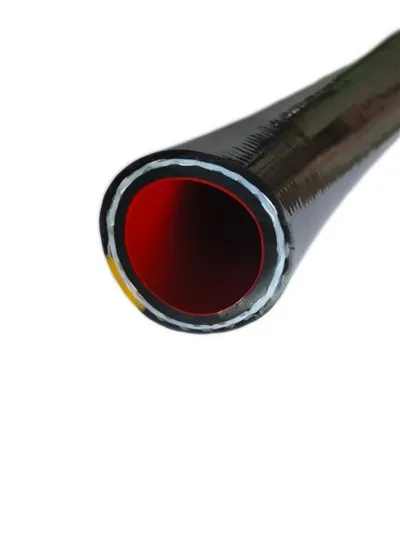
If you have questions about pressure ratings, need help picking the right pipe for your project, or want to place an order, don’t hesitate to reach out. We’re here to make sure your project goes smoothly, no surprises, no bursts, no headaches.
Layflat Hose References
ASTM International. Standard Specification for Poly(Vinyl Chloride) (PVC) Plastic Pipe, Schedules 40, 80, and 120.
National Sanitation Foundation (NSF). Standard 14: Drinking Water System Components – Health Effects.
Plastics Pipe Institute (PPI). Hydrostatic Design Basis for Thermoplastic Pipe Materials and Pressure Design for Thermoplastic Pipe Systems.
Weifang Xinzhiyuan Plastic Co., Ltd.
As one of the most experienced pvc pipe manufacturers and suppliers in China, we offer a wide range of products with superior quality. Please feel free to wholesale premium pvc pipe made in China here from our factory. We also accept customized orders.
Address: No. 700, Tongle Street, Economic Development Zone, Changle County, Weifang City, Shandong Province
E-mail: hua@xzypvchose.com
WebSite: https://www.pvchose-xzy.com/
