Alright, let’s cut the crap—if you’re running a reheating furnace, you already know how much of a headache heat-resistant wear spare parts can be. Those little buggers take a beating every single day: constant high temps, thermal shock, gritty scale, you name it. And as a guy who’s been supplying these parts for over 12 years (no, I won’t drop the company name, just hit me up if you need gear), I’ve seen way too many shops waste money on parts that die too fast, or mess up their furnace efficiency because they cut corners on maintenance. Reheating Furnace Heat Resistant Wear Spare Parts
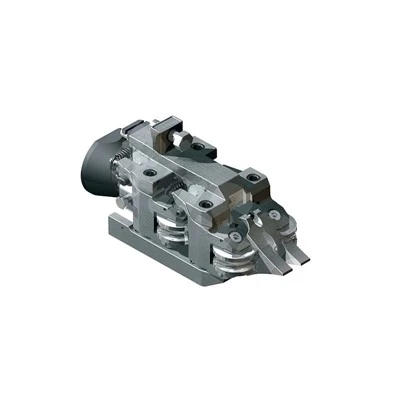
Let’s start with the basics: what are we even talking about here? The key parts I supply—things like skid rails, drawer liners, nose beams, those little wear pads that sit under the stock as it moves through the furnace—these aren’t just metal bits. They’re engineered to hold up to 1200°C+ temps, sudden temperature spikes when cold steel hits them, and abrasive scale that’s like sandpaper on steroids. But here’s the thing: even the best parts I sell won’t last if you’re using ’em wrong, or ignoring simple tweaks. I’ve had a customer call me crying because their skid rails wore out in 3 months, only to find they were running the furnace 50°C hotter than spec and never blowing off the scale. Dude, that’s not the parts’ fault—that’s user error.
First up: optimize the fit and installation. This is the biggest mistake I see. People just swap out the old part for a new one without thinking about gaps, alignment, or how the load sits. Let’s take skid rails, for example. If you install them too tight against the furnace walls, they can’t expand when heated—thermal expansion is real, folks. A rail that’s supposed to move 2mm when hot that’s wedged in will crack right down the middle in weeks. And don’t even get me started on alignment. If skid rails are off by even 10mm, the steel stock drags unevenly, causing one spot on the rail to wear way faster than the rest. That’s called localized wear, and it’s a killer. I always tell my customers: when you install new parts, use a feeler gauge to check the expansion gap (aim for 1.5-2mm per meter of rail length) and run a level along every section. Pro tip: mark the alignment spots with paint before you pull the old parts out, so you don’t have to guess. I once drove 4 hours to a mill that had their nose beam installed crooked because they rushed the swap—saved ’em another breakdown in a month, and they still bring me coffee when I visit.
Next, heat management. This is non-negotiable. Your furnace’s temperature profile doesn’t just affect the steel you’re heating—it’s eating your spare parts alive. Let’s break it down: overheating is the number one cause of premature part failure. I’ve had parts made from 1400°C-grade material that melted because the furnace was set to 1350°C for no reason (the customer was trying to speed up heating time, but it backfired big time). Even small overtemps—like 30-50°C above the part’s rated max—can cause creep, where the metal slowly deforms under its own weight. A deformed skid rail doesn’t just wear faster; it messes up the stock flow, leading to more defects. Then there’s thermal cycling—shutting the furnace down and starting it up every day. That sudden swing from room temp to 1200°C is like freezing a glass and then pouring boiling water on it; it cracks. The fix here isn’t to stop cycling (I get it, mills need to shut down for maintenance) but to slow it down. If you’re doing a cold start, ramp the temp up by 100°C per hour until you hit 800°C, then you can speed it up. I also recommend using your furnace’s insulation properly. The refractory lining (the bricks and cement around the heating zone) keeps heat in, so if it’s damaged, your parts have to work harder to stay at operating temp. I supply refractory patching compound too—small fixes every quarter beat way bigger than waiting for a big collapse.
Third, tackle that scale problem. Scale is the rust that forms on steel when it’s heated, and it’s a super abrasive material. It gets between the stock and the wear parts, grinding them down like sandpaper. A lot of mills just leave it to build up, thinking they’ll clean it once a month—but that’s too little, too late. How often should you blow scale? For most furnaces, every 20-30 heats, or if you see scale buildup thicker than 2mm on the skid rails. Use high-pressure air (or water-air mix, just make sure it’s not too hot) to blast it off the parts and the floor. Another trick: adjust the furnace atmosphere. If you run a slightly oxidizing atmosphere, scale forms faster, but a slightly reducing atmosphere can reduce scale by 15-20%—and that’s less stuff wearing on your parts. Wait, but don’t go too reducing, or you’ll get decarburization on your steel stock, which is a whole other headache. Balance is key here. I had a customer who added a simple scale blower cycle to his PLC program—cost him $500 for the nozzle, and his skid rail life went from 4 months to 7 months. That’s a 75% increase for pocket change.
Then there’s load management. The weight and type of steel you’re running affects your parts. If you’re switching from small bars to big, thick slabs, you can’t just keep the same rail setup. Thicker slabs put more pressure on the skid rails, so you need a grade of rail rated for higher load, or adjust the spacing between rails. Too wide a gap between rails, and the slab sags, dragging on the rails unevenly—localized wear again. Also, avoid overloading the furnace. If you cram too much steel in, some of it’s sitting too close to the hot burners, making those areas of your parts hotter than they should be. I once had a customer who was trying to increase output by 20% and had parts wearing out in 2 months—we swapped his rail spacing for higher load rating and pulled back the load a little, and his parts lasted 5 months. Moral of the story: match your parts to what you’re actually running, not what you want to run.
Now, maintenance and monitoring—this is the stuff most people skip, and it costs them the most. You don’t have to do full teardowns every week, but a quick walkthrough every shift will save you a fortune. Look for signs: cracks in the welds on your wear pads, uneven wear on skid rails, any parts that look like they’re sagging or deforming. I tell my customers to keep a spare set of the most critical parts (like 2 skid rails and 4 nose beams) in stock—no more waiting 3 days for a delivery when your furnace goes down. Also, track part lifespan. Write down when you install a new rail, when you replace it, why (cracked, worn, etc.). That data is gold. Last year, a customer sent me his logs, and we noticed his wear pads were failing only on the side closest to the exit of the furnace. Turns out, the exit zone was running 60°C hotter than the rest—we adjusted the burners there, and his pad life doubled. Without tracking, you’d never know that.
Wait, let’s talk about part selection too—since that’s my job, I’m not gonna lie. A lot of guys go for the cheapest parts they can find, and it’s a trap. Cheap parts use lower-grade alloy, so they wear out fast. The parts I supply are made with high-chromium nickel alloy, rated for 1450°C, and we test every batch for thermal shock resistance. But even better, I can customize parts for your specific furnace. If your furnace runs a weird temperature profile, I’ll adjust the alloy mix. If your load is heavier, I’ll thicken the wear surfaces. Last quarter, I made a custom set of drawer liners for a small mill that was having issues with liner warping—spent an extra hour on the design, and those liners have lasted 3 months longer than the ones they were getting before. So don’t just buy generic parts; work with a supplier who can tailor to your setup.
Also, handle parts with care when you get them. I’ve had customers drop new skid rails on the floor when unloading, causing hidden cracks that show up after a week of heating. Those cracks turn into big breaks fast. When parts arrive, inspect them right away—check for any dents, weld flaws, or surface cracks. If you see anything, call me immediately; I’ll replace it no questions asked.
Let me give you a real example that stuck with me. A big steel mill in Ohio was going through $80k a year on skid rails. They were using cheap parts, overheating the furnace, not cleaning scale, and installing rails wrong. I sat down with their maintenance team, walked through all these steps, helped them adjust their installation gaps, set a regular scale blowing schedule, and switched them to my custom-grade rails. Six months later, their skid rail costs dropped to $35k a year. That’s $45k in savings—all from optimizing how they used the parts, not just buying better parts (though better parts helped). That’s the stuff no one tells you: it’s not about the part itself, it’s how you treat it.
Wait, what about repairs? Can you weld a worn skid rail instead of replacing it? Yeah, if the wear is just surface-level, not a big crack or deformation. But you can’t just use any welding rod. You need a rod that matches the part’s alloy, so it doesn’t crack when heated. I sell those rods too, and I always warn customers: if the rail is more than 50% worn, replace it—welding won’t fix it, it’ll just cause more problems. Don’t throw good money after bad.
One last thing: training. Your maintenance crew is the ones installing the parts, doing the walkthroughs, tracking the data. If they don’t know what to look for, all the tips I just gave are useless. I do free on-site training for all my regular customers—show ’em how to check expansion gaps, how to spot a bad part, how to adjust the blower schedule. Last year, a new maintenance guy at a mill caught a misaligned wear pad during his first shift, before it caused a bigger issue. That’s the kind of small thing that adds up.
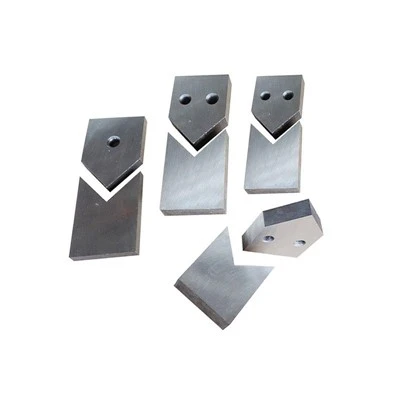
At the end of the day, optimizing your reheating furnace’s heat-resistant wear parts isn’t rocket science. It’s about paying attention to the details: fitting parts right, managing heat and load, cleaning scale, monitoring and maintaining, and working with a supplier who’s actually invested in your success, not just selling you more parts. If you’re tired of parts dying too fast, your furnace being inefficient, or spending more on replacements than you need, hit me up. I don’t do fancy sales pitches, I just know furnaces, I know parts, and I know how to make your setup run smoother. Don’t waste another dollar on avoidable part failures. Let’s talk.
Mill Rolls References:
- ASM International. (2019). High-Temperature Alloys for Furnace Applications. Materials Park, OH: ASM International.
- American Iron and Steel Institute. (2021). Reheating Furnace Operations and Maintenance Best Practices. Washington, D.C.: American Iron and Steel Institute.
- Zhang, L., et al. (2020). “Wear Mechanisms of Skid Rails in Walking Beam Reheating Furnaces.” Wear, vol. 456-457, p. 203387.
- The Fabricator. (2022). “Thermal Expansion: Key Considerations for High-Temperature Equipment.” FMA Communications, Inc.
Jingjiang Jingyi Metallurgical Technology Co., Ltd.
With abundant experience, we are one of the most reliable reheating furnace heat resistant wear spare parts manufacturers and suppliers in China. We warmly welcome you to wholesale customized reheating furnace heat resistant wear spare parts made in China here from our factory. If you have any enquiry about quotation, please feel free to email us.
Address: No.5 Jianghe Road, Xinqiao Town, Jingjiang City, Jiangsu Province
E-mail: Lcbin1974@163.com
WebSite: https://www.jymetallurgical.com/
